
✦ Higher Questions
Making Sense Of God
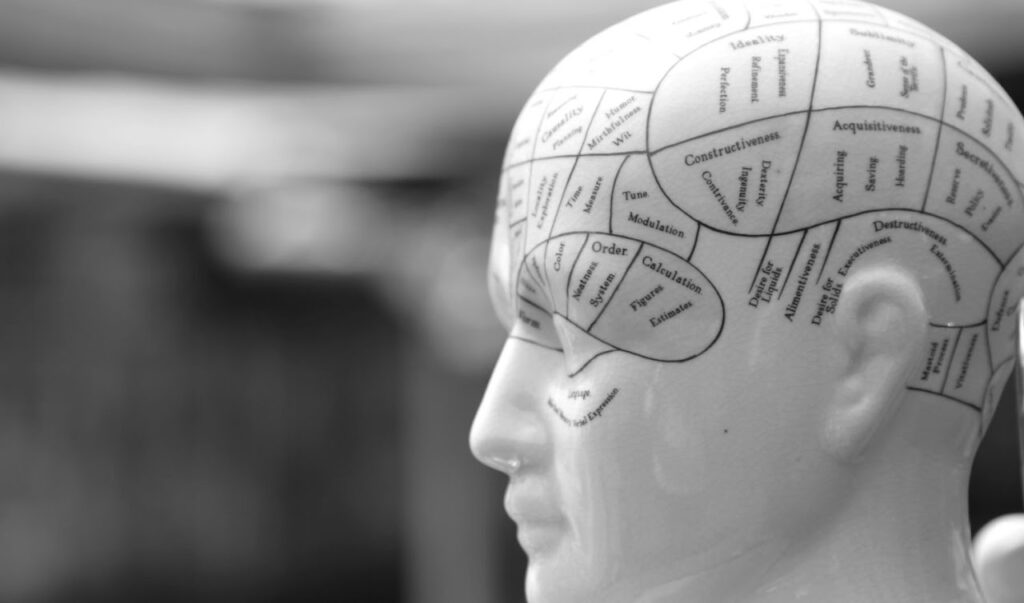
Three letters that stir intuition and awaken human response.
The word God is only three letters long, yet it has stirred some of the biggest questions in human history. Philosophers, scientists, theologians, and ordinary people have debated it for millennia — and still do today.
Some see belief in God as central to every moment of their lives, while others dismiss the topic entirely or doubt whether God exists at all.
Why does it matter? Because whether we acknowledge it or not, the question of God sits quietly behind the deepest questions we ask about ourselves:
Why am I here? Where am I going? What happens when I die? These questions never truly disappear; they simply wait for us to face them.
01
Why We Avoid the Question
People hold back from discussing God for many reasons. Some feel no need for God in their lives or dislike the idea of submitting to a higher authority. Others fear that belief might demand uncomfortable changes. Some have been hurt by people who claimed to represent religion, while many are put off by the negative press surrounding faith in general.
It becomes easier to brush aside the whole subject and live like everyone else — working, relaxing, scrolling, consuming — until something forces us to confront the bigger picture.
02
The Train Analogy
Imagine waking up on a fastmoving train with no memory of how you got there. You ask the other passengers where the train is headed, but they’re too busy chatting, eating, and reading to care. Would you simply join them, or would you keep searching for answers?
This is our situation. We find ourselves alive on Earth without choosing to be here, and we know our time is limited. Death is certain, even if we avoid talking about it. Naturally, questions arise: What is my destination? Is death the end? Why am I here?
Reflecting on these questions makes the issue of God immediately relevant — not out of fear, but out of a desire for clarity and truth.
What Do We Mean by “God”?
Before rejecting or accepting belief, we must clarify what we mean by God. Many people reject distorted or childish ideas of God — like a bearded man in the sky throwing lightning bolts. Such images are incoherent and lead naturally to disbelief.
But across cultures and history, a more intuitive and rational concept appears: a Creator who is One, Eternal, SelfSufficient, and utterly unlike creation. The Qur’an captures this with striking clarity: “He is God, the One… there is none comparable to Him.”
03
The Natural State
Islam teaches that every human being is born with an innate awareness of the Creator — a natural state that can be nurtured or buried by society, desires, or trauma. Rational arguments can help uncover this inner knowledge, but they are not its source.
The Qur’an invites us to reflect on signs in the world and within ourselves, awakening what is already inside us.
Moments of crisis often trigger this instinct. When life feels out of control, people instinctively call out to God — even if they forget Him once the storm passes.
04
A Final Reflection
You don’t need a crisis to remember God. A quiet moment of reflection on life’s fragility, the certainty of death, and the longing for meaning is enough to reopen the question.
Spiritual experiences, worship, and sincere seeking can awaken a certainty that no argument alone can provide.
The question of God is not abstract. It shapes how we live, how we see ourselves, and how we understand our purpose.
To make sense of life, we must first make sense of the One who gave life.
Excerpts from- https://onereason.org/god/making-sense-of-god/