

✦ Stewardship
Sustainable Living in Islam
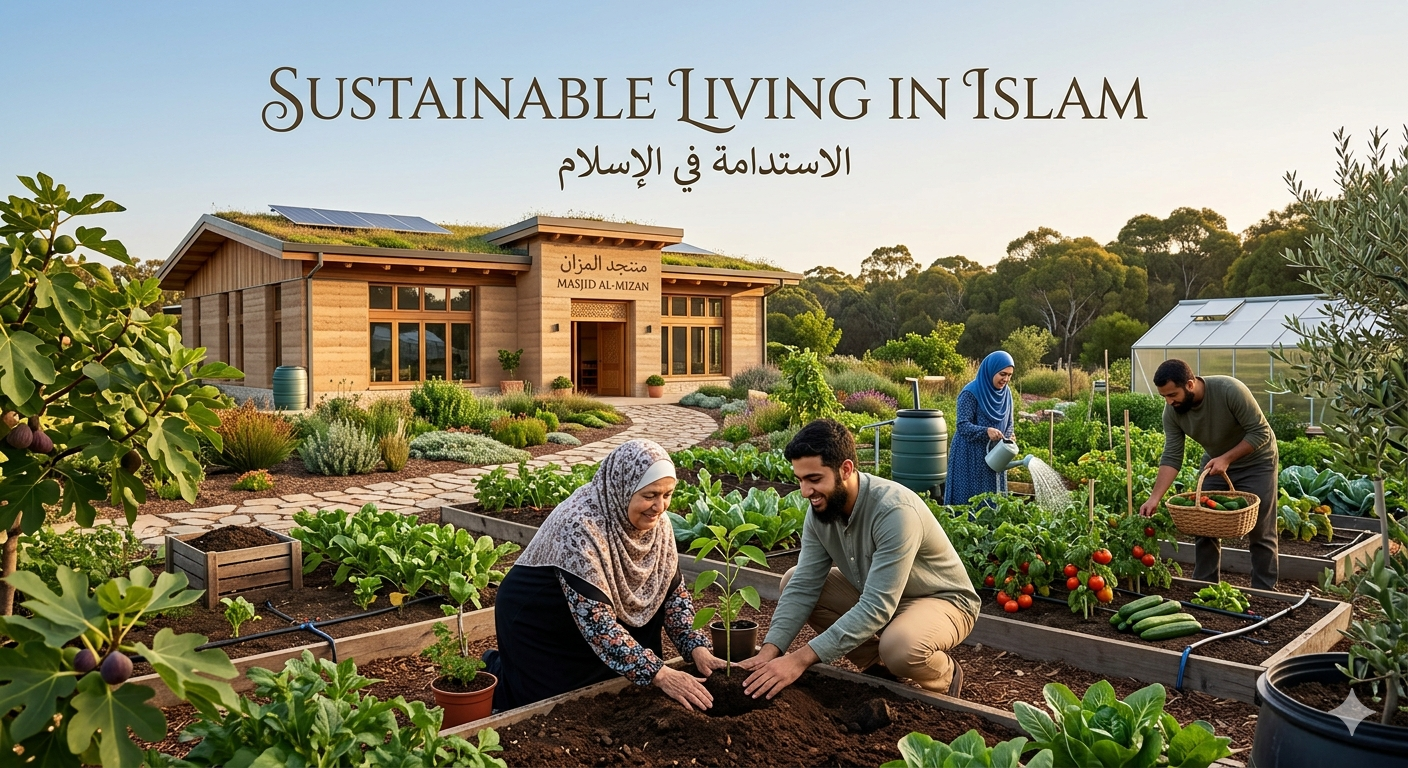
A life shaped by moderation and mindful care.
The natural world is one of the greatest gifts entrusted to humanity. Its beauty, balance, and abundance sustain life and inspire reflection.
In Islam, caring for the environment is not an optional virtue; it is a moral responsibility rooted in gratitude, humility, and stewardship. Sustainable living is therefore not a modern trend but a timeless ethical principle woven into the fabric of Islamic teachings.
01
Living as Responsible Trustees
Islam describes human beings as trustees of the earth. This trust is not one of ownership but of responsibility. The earth does not belong to us; it is a shared home that must be protected for future generations.
This perspective encourages a mindset of care rather than consumption, reminding individuals that every action has consequences for the wider world.
02
Balance as a Guiding Principle
One of the central principles of Islamic environmental ethics is balance. The natural world operates in a delicate equilibrium, and human behaviour must respect that balance.
Wastefulness disrupts this harmony, while moderation preserves it. Islamic teachings consistently warn against excess—whether in food, water, energy, or material possessions.
Moderation is not about deprivation; it is about using resources wisely and appreciating their value.
03
Respecting Resources with Mindfulness
Water, in particular, is treated with profound respect. Even when water was abundant, Prophet Muhammad (peace be upon him) emphasised using only what was necessary. This ethic extends to all resources:
take what you need,
avoid waste, and
remember that others share the same planet.
Such mindfulness transforms everyday actions—eating, travelling, purchasing—into expressions of gratitude and responsibility.
04
Choosing Actions that Prevent Harm
Another key aspect of sustainable living in Islam is preventing harm. Environmental harm affects not only nature but also human wellbeing. Pollution, deforestation, and overconsumption create longterm consequences that impact communities, especially the vulnerable.
Islamic ethics call for choices that minimise harm and promote the common good. This includes supporting sustainable practices, reducing waste, and being mindful of the environmental impact of one’s lifestyle.
05
Compassion for All Living Creatures
Compassion extends beyond human beings. Islamic teachings emphasise kindness toward animals, plants, and all living creatures. Caring for animals, protecting habitats, and avoiding cruelty are seen as acts of moral excellence.
This compassion fosters a deeper connection with the natural world and encourages individuals to live in a way that respects all forms of life.
06
Gratitude as a Way of Living Lightly
Sustainable living also involves gratitude. When people recognise the earth as a blessing, they are more likely to treat it with care. Gratitude shifts the mindset from entitlement to appreciation.
It encourages individuals to see nature not as a resource to exploit but as a sign of Divine generosity. This perspective nurtures humility and inspires responsible choices.
07
The Power of Collective Responsibility
Community plays an important role as well. Environmental responsibility is not only an individual effort but a collective one. Communities can promote sustainability through shared initiatives—planting trees, reducing waste, supporting ethical businesses, and educating others about environmental care.
When communities act together, the impact is far greater and more enduring.
08
Living Lightly on the Earth
Ultimately, sustainable living in Islam is about living lightly— taking from the earth without causing harm, appreciating its beauty without exploiting it, and ensuring that future generations inherit a world that is healthy, balanced, and full of life.
It is a way of living that reflects gratitude, compassion, and responsibility.
09
A Hopeful Path of Stewardship
In a time when environmental challenges are growing, the Islamic ethic of stewardship offers a hopeful and practical path forward.
It invites individuals and communities to care for the earth with wisdom and sincerity, recognising that protecting the planet is both a moral duty and a shared human calling.